How Long Does Swelling Last After Rhinoplasty?
Posted on 24 Oct, 2026By Dr. Muddappa Aesthetic Health Writers
Dr. Muddappa's Plastic Surgery Team is a group of cosmetic and reconstructive surgery specialists who share expert knowledge on aesthetic procedures and patient care. They write simple, informative articles on plastic surgery options, recovery tips, and what patients can expect before and after their procedures. The team's goal is to help patients make informed choices about their appearance and feel their best, both inside and out.

Rhinoplasty swelling is a normal part of the healing process after nose surgery. It is usually most noticeable in the first few days and gradually improves over the following week.
As recovery continues, some swelling may remain, especially around the nasal tip. This can last for several months as the deeper tissues heal and the nose slowly becomes more defined.
Everyone heals at a different pace, so the nose will not show its final shape immediately after surgery. It can continue to refine as the remaining swelling goes down.
Why Does Swelling Happen After Rhinoplasty?
Swelling is a normal response to surgery. During rhinoplasty, the surgeon works on the bone, cartilage, and soft tissues of the nose. Your body sends extra fluid and blood flow to the area to support the healing process. This can make the nose look puffy or feel tight during the early days of recovery.
Swelling may happen because of:
- Changes made to the nasal bones or cartilage
- Healing of the soft tissues
- Temporary fluid buildup
- Increased blood flow to the treated area
- Mild inflammation around the surgical site
- Tissue irritation caused during the procedure
You may also notice puffiness around the cheeks or under the eyes, particularly during the first few days. Swelling varies from person to person and usually decreases as the tissues heal.
How Long Does Swelling Last After Rhinoplasty?
First 3 Days After Rhinoplasty
Swelling and bruising are often most noticeable during the first few days.
- Nose may look wider or larger than expected
- Bruising may appear around the eyes
- Nasal congestion is common
- Mild pressure or discomfort may occur
- Early swelling does not show the final result
About 1 Week After Rhinoplasty
By the end of the first week, you may notice that some of the swelling and bruising has started to settle. The nose can still look puffy, and breathing may not feel completely normal yet.
- Bruising may start to fade
- The nose can still look swollen
- A splint or dressing may be removed if your surgeon advises it
- Breathing may still feel blocked or different
- It is too early to judge the final shape
2 to 4 Weeks After Rhinoplasty
At this point, the changes may become easier to notice. Much of the puffiness around the face usually improves, but the nose itself can still have swelling.
- Facial puffiness is usually less noticeable
- The nose may start to look more natural
- Some swelling can remain beneath the skin
- The nasal tip may still look full
- One side may look slightly different from the other while healing continues
1 to 3 Months After Rhinoplasty
The nose keeps settling during these months. You may start to see better definitions, but the healing process is not finished.
- Swelling continues to go down
- The shape of the nose becomes clearer
- Tip swelling may still be present
- Tissues inside the nose are still healing
- The final result may not be clear yet
3 to 6 Months After Rhinoplasty
By this stage, changes tend to be slower and less noticeable from week to week. The nose may look much closer to its expected shape.
- Remaining swelling gradually settles
- Nasal definition continues to improve
- The tip may become more defined
- Small changes can still happen as the tissues heal
6 to 12 Months After Rhinoplasty
Most visible swelling has usually gone down by this stage, making the nose easier to assess, though healing may continue.
- The overall shape becomes clearer
- Small changes may continue as the tissues mature
- A little swelling may still be present
- The nasal tip may take longer to fully settle
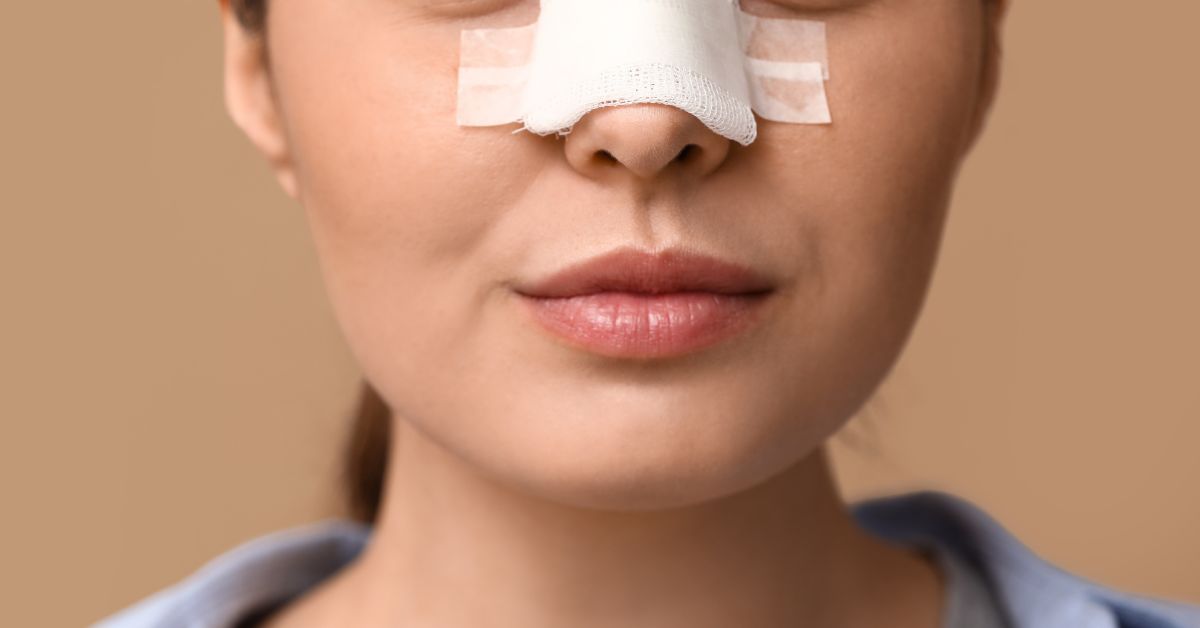
Can Swelling Last More Than a Year After Rhinoplasty?
For some people, a small amount of swelling can remain beyond a year. This is more likely to be noticed around the nasal tip, which can be slow to settle.
The recovery period may vary because of:
- Skin thickness
- The amount of work done during surgery
- Surgical technique
- Previous rhinoplasty
- Individual healing
If swelling is still significant, suddenly gets worse, or does not seem to be improving, talk to your surgeon. They can check your nose and tell you whether the swelling fits your stage of recovery.
What Factors Affect Swelling After Rhinoplasty?
Everyone heals differently, so the amount of swelling and recovery time can vary from person to person.
Type of Rhinoplasty
Swelling depends more on the work done during surgery than the type of rhinoplasty alone.
- Primary rhinoplasty: First-time nose surgery
- Revision rhinoplasty: Surgery after a previous rhinoplasty
- Open rhinoplasty: Uses an external incision
- Closed rhinoplasty: Incisions are made inside the nose
- Functional rhinoplasty: Focuses on nasal function
- Cosmetic rhinoplasty: Focuses on appearance
Extent of Surgery
Swelling may last longer when more nasal structures are involved, such as:
- Nasal bones
- Cartilage
- Nasal tip
- Several areas of the nose
- Structural changes
Skin Thickness
- Thicker skin: Swelling may be more noticeable and take longer to settle.
- Thinner skin: Changes may show sooner, but minor irregularities can be more visible.
Individual Healing
Your body has its own way of responding to surgery, so recovery can differ even between people who have had similar procedures.
Recovery can also vary based on:
- Age
- General health
- How your body responds to inflammation
- Previous nasal surgery
- Your natural healing pattern
- How the tissues respond after the procedure
These factors cannot predict exactly when your swelling will disappear. Your surgeon can give you a better idea based on your procedure and how your nose is healing.
How Can You Reduce Swelling After Rhinoplasty?
Swelling takes time to settle after surgery. A few simple habits can make recovery more comfortable and help your nose heal properly:
Keep your head raised:
Sleep with your head slightly elevated, especially during the first few days.
Use a cold compress:
Apply a cold compress around the cheeks, but avoid placing ice directly on the nose.
Get enough rest:
Give your body time to recover and avoid unnecessary physical strain.
Avoid heavy exercise:
Skip intense workouts and heavy lifting until your surgeon says it is safe.
Do not touch your nose:
Avoid rubbing, pressing, or massaging the nose while it heals.
Take medicines as prescribed:
Follow your surgeon's instructions and do not change medicines without advice.
Avoid smoking:
Smoking can interfere with healing and may slow your recovery.
Attend follow-up visits:
Keep your appointments so your surgeon can check how your nose is healing.
What Should You Avoid After Rhinoplasty?
After rhinoplasty, avoiding certain activities can help protect your nose while it heals. Follow your surgeon's instructions, especially during the first few weeks.
- Touching, rubbing, or pressing the nose
- Heavy exercise and lifting
- Sleeping on your stomach
- Bending down frequently
- Blowing your nose forcefully
- Smoking and alcohol
- Contact sports or activities that may cause injury
- Wearing glasses if your surgeon has advised against it
- Taking medicines without medical advice
- Missing follow-up appointments
When Should You Worry About Rhinoplasty?
Some swelling and discomfort are normal after rhinoplasty. If your symptoms suddenly worsen or your recovery seems unusual, contact your surgeon.
Contact Your Surgeon If You Notice:
- Swelling that suddenly gets worse
- Severe or increasing pain
- Redness or warmth
- Fever
- Unusual or foul-smelling drainage
- Persistent or heavy bleeding
- Significant difficulty breathing
- Any new or concerning symptoms
When Is Urgent Medical Attention Needed?
Seek urgent care for:
- Severe breathing difficulty
- Heavy or uncontrolled bleeding
- Severe sudden pain
- Signs of a serious infection
- A sudden major change in your condition
FAQs
How Will I Look 2 Weeks After Rhinoplasty?
At two weeks, much of the early bruising and facial swelling may have improved, but the nose can still look swollen and may not show its final shape.
Is It Safe to Sleep on Your Side 3 Weeks After Rhinoplasty?
Your surgeon may advise sleeping on your back to protect your healing nose. Follow their specific advice before returning to side sleeping.
What's the Best Age for Rhinoplasty?
Rhinoplasty is usually considered after facial growth is complete. The right age can vary depending on physical development, health, and the reason for surgery.
What's the Worst Day of Rhinoplasty Recovery?
The first few days are often the most uncomfortable because swelling, bruising, congestion, and pressure tend to be more noticeable during this period.
Is Rhinoplasty the Hardest Surgery?
Rhinoplasty can be a complex procedure because the surgeon may need to work with bone, cartilage, and soft tissue. The difficulty depends on the changes needed and whether it is a primary or revision procedure.
Conclusion
Rhinoplasty swelling is a normal part of recovery. Most visible swelling goes down within the first few weeks.
Mild swelling can remain for several months, especially around the nasal tip. This area often takes longer to settle as the deeper tissues heal.
Your nose may continue to change slightly as the remaining swelling goes down. The final shape becomes clearer with time.
Follow your recovery instructions and give your nose enough time to heal.If you have concerns about your recovery, consult your treating surgeon for an appropriate assessment and personalised guidance.


